
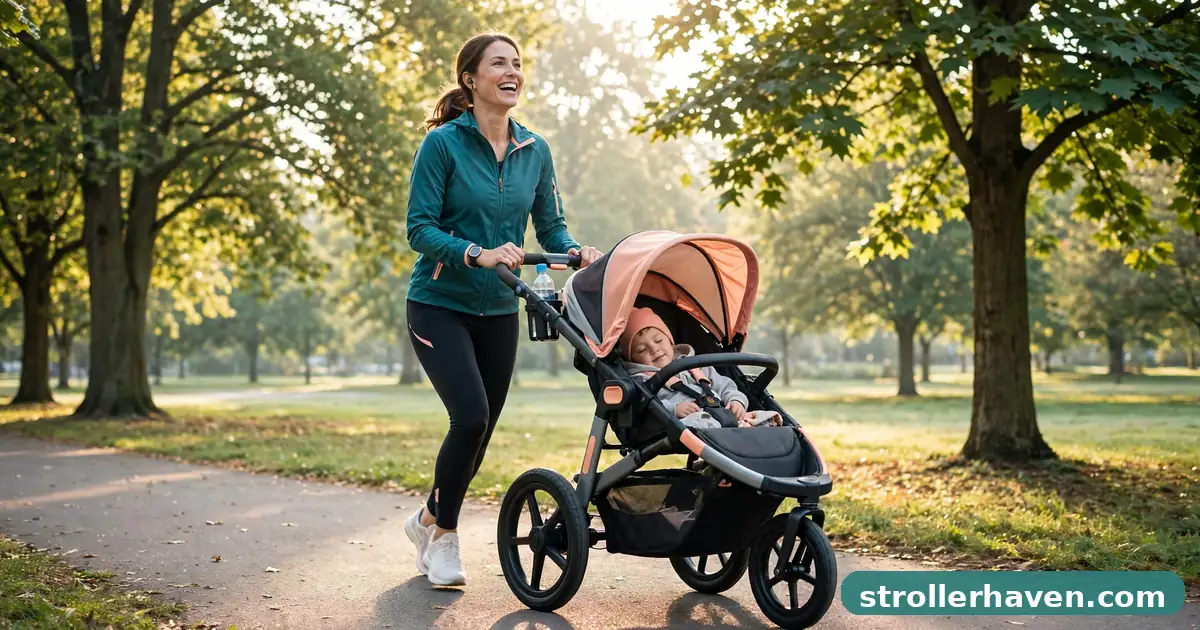
The best affordable jogging stroller 2026 buyers actually need is not the cheapest stroller on the page — it is the cheapest stroller that still locks its front wheel, holds a five-point harness, and rolls straight at running speed. A budget jogging stroller with air-filled tires and a safety tether can give a casual runner 90% of a $650 BOB or Thule for under $200, and that is the whole point of this guide.
We compared the affordable picks from Babylist, iRunFar and Stroller360, kept only the models at $350 or under, and flagged every trade-off the top 3 named — tracking, suspension, weight and handlebar height — so you can choose a cheap jogging stroller without buying twice. Every pick below is research-based: StrollerHaven does not claim hands-on testing unless an article says so, and prices are the competitors’ reported prices, to re-check before you buy.
Best Affordable Jogging Stroller 2026 — Quick Comparison
| Pick | Best for | Reported price | Weight (as reported) | Child limit |
|---|---|---|---|---|
| Baby Trend Expedition / Zero Flat | Cheapest real jogger | $115–$160 (Stroller360); from $135.99 (Babylist) | 24 lbs standard (Baby Trend’s own page: 23.59 lb); 29.9 lbs only for the Zero Flat LED variant | 50 lbs |
| Joovy Zoom360 Ultralight | Longest use, serious joggers | $350 (iRunFar); $270–$300 (Stroller360) | 25.7 lbs (Joovy spec table) | 75 lbs |
| Baby Trend Expedition Double | Two kids on a budget | $200–$235 | 32.5 lbs | 100 lbs total (50 per seat) |
| Graco FastAction Fold Jogger | Fastest fold, errands + jogs | $180–$220 | 30 lbs | 50 lbs |
| Schwinn Interval | Tall parents, adjustable handlebar | $170–$240 | 31 lbs | 50 lbs |
| Delta Children Apollo | Trails, visible suspension | $150–$180 | 33 lbs | 50 lbs |
| Jeep Cross-Country Sport Plus | Disney trips, reflective dawn/dusk runs | $170–$200 | 33 lbs | 50 lbs (Delta Children manual) |
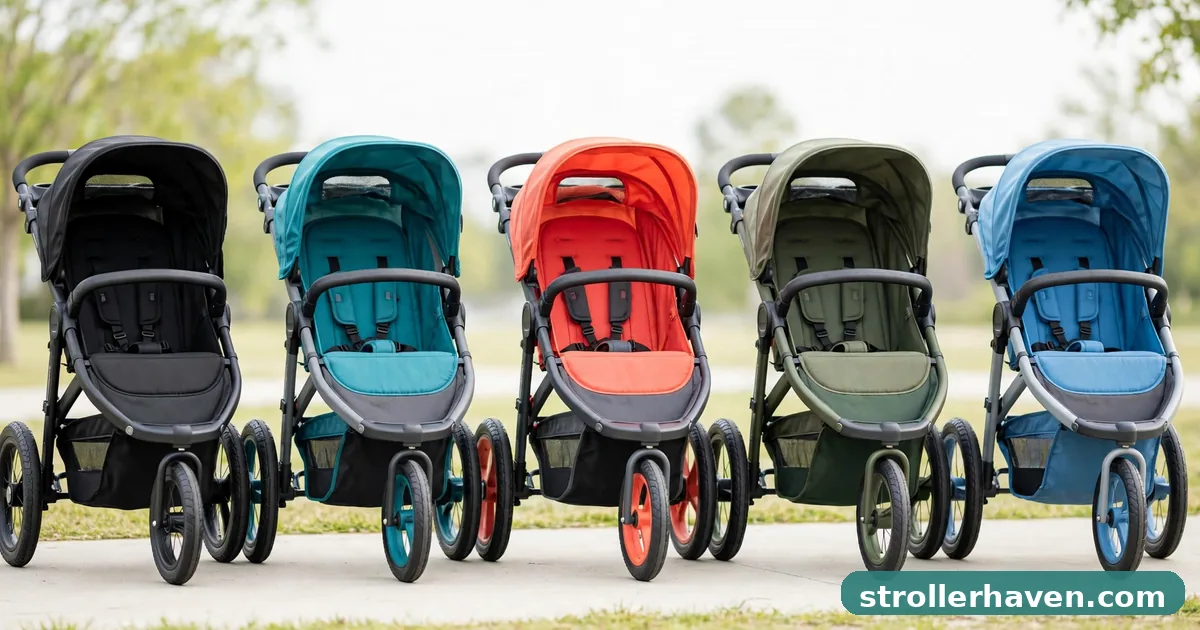
The sweet spot for most families is $150–$200, Stroller360’s words: that is where you get pneumatic tires and a locking wheel without the premium tax. The Joovy is the exception worth paying for — its 75 lb limit means a child uses it until about age 9–10, where most budget joggers end around age 6–7 at 50 lbs.
Best Affordable Jogging Stroller: Baby Trend Expedition Jogger
The Baby Trend Expedition Jogger is the budget champion of this guide, and the only pick all three top-3 sources agree on in some form: Babylist names the Expedition Zero Flat its best affordable jogging stroller, iRunFar’s budget conversation starts here, and Stroller360 puts it first at $115–$160. It is, Stroller360 says, Amazon’s bestselling jogging stroller for a reason — 16-inch rear bicycle wheels, a 12-inch front swivel wheel that locks for running, pneumatic rubber tires, a parent tray with two cup holders and a covered compartment, and a child tray that doubles as a car-seat adapter for Baby Trend EZ-Lift infant seats.
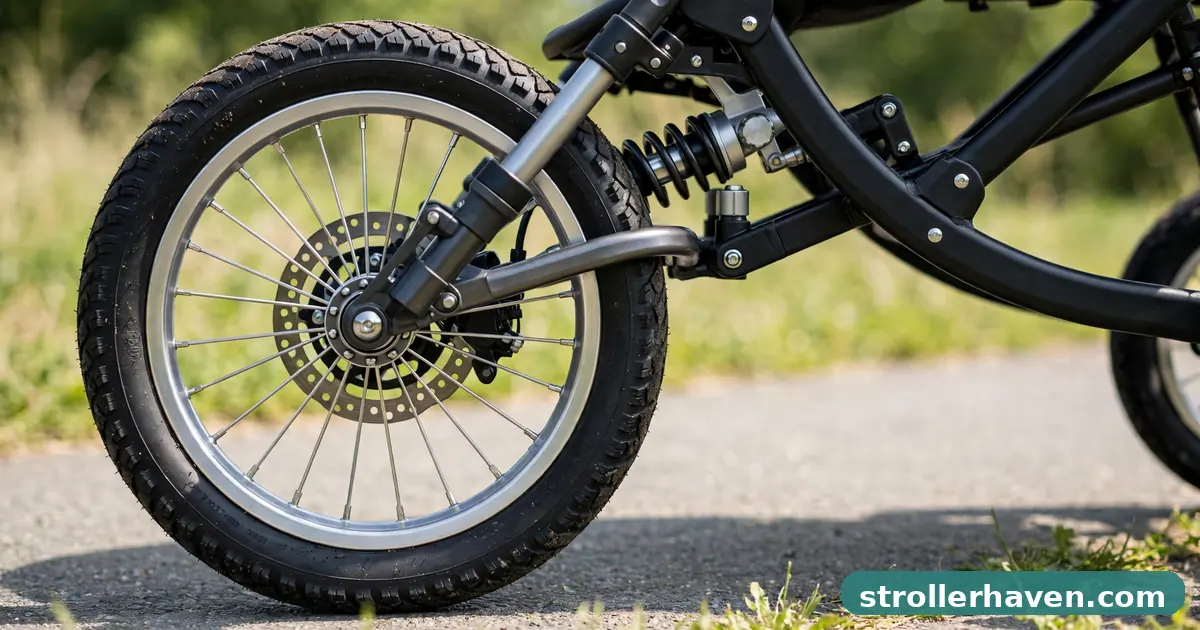
Babylist adds the Zero Flat version’s extras: never-flat XL tires, LED lights for low-light visibility, a spacious storage basket, a reclining seat for naps, and compatibility with select Baby Trend infant car seats for walking from birth. See the Baby Trend Expedition Zero Flat Jogger with LED Lights on Amazon. The honest limits are just as clear: Babylist calls it best for occasional jogs, not regular runs, with no adjustable handlebar and a short canopy; Stroller360 adds no suspension compared with premium models and no adjustable tracking, so on longer runs a slight pull becomes tiring. Buy it if you run 2–4 times a week on paved surfaces and want the cheapest real jogger — not if you are training for a marathon. If you fly with it, read our best stroller for airplane overhead bin 2026 guide first: a full-size jogger is gate-checked, not cabin-sized.
Best Budget Jogging Stroller: Joovy Zoom360 Ultralight
The Joovy Zoom360 Ultralight is the best budget jogging stroller for a parent who actually runs. iRunFar names it its Best Budget Jogging Stroller at $350 and praises its value — it performs, in their words, very well for half the cost of some jogging strollers in this guide, with many of the safety and comfort features of more expensive models. Stroller360 lists it at $270–$300 and calls it premium features at mid-range pricing: 6061 aircraft aluminium construction, shock-absorbing suspension, 16-inch rear pneumatic wheels, a straight-through axle that eliminates the wobble cheaper three-wheel strollers suffer from, and a 75-pound weight capacity no other model in this price bracket matches.
At 25.7 lbs it is, iRunFar says, easy to lift and load, and it comes with a parent organiser, a hand pump, a peek-a-boo window and car-seat compatibility (adapter sold separately; iRunFar notes the Britax adapter they tested still moved slightly on the frame). The weak points are the finicky foot brake — iRunFar’s tester routinely had to bend down to lock it by hand — and no handbrake.
One safety note to keep in the published article: Joovy voluntarily recalled about 9,200 Zoom 360 Ultralight strollers in 2021 over front-wheel bearing issues, so check the date on any used unit. If you run 4+ times a week, this is the pick; if you jog twice a month, the Baby Trend saves you $150 and you will not miss the suspension. For the newborn stage, compare it with our best travel system stroller 2026 guide — a jogger is a second stroller, not a from-birth system, until the baby can sit with head control.
Best Affordable Double Jogging Stroller: Baby Trend Expedition Double Jogger
Two kids should not mean a $1,000 double jogger, and the Baby Trend Expedition Double Jogger is the proof: $200–$235 for a side-by-side double with independent reclining seats and five-point harnesses, the same pneumatic tyre system as the single Expedition, and a 100 lb total limit (50 per seat). Stroller360 calls it twin power on a budget, and notes it fits through standard 32-inch doorways — barely — with quick-release tyres for more compact storage.
The trade-offs are maintenance, not safety: several reviewers mention a front-wheel shimmy that needs occasional tightening (Stroller360 notes a washer fix that takes 10 minutes), a metal divider in the centre basket that stops a large diaper bag fitting, a single canopy with no individual control, and metal-spoke wheels that rust if left outdoors. It is, Stroller360 is clear, brilliant for light jogging and neighbourhood strolls and less ideal for serious trail running where premium suspension matters. If your two are a newborn and a toddler rather than twins, read our best double stroller for newborn and toddler 2026 guide before deciding between a double jogger and a double stroller.
Best Affordable Jogging Stroller for Convenience: Graco FastAction Fold Jogger
The Graco FastAction Fold Jogger earned its name honestly: a one-second, one-hand fold that Stroller360 calls genuinely functional when you are holding a squirmy toddler in a car park. Add Click Connect compatibility with all Graco infant car seats, air-filled rubber tyres, a locking front swivel wheel, a multi-position reclining seat, a three-position adjustable handlebar, a child tray with cup holder and an extra-large storage basket, and you have the most convenient budget jogger in this guide at $180–$220 and 30 lbs.
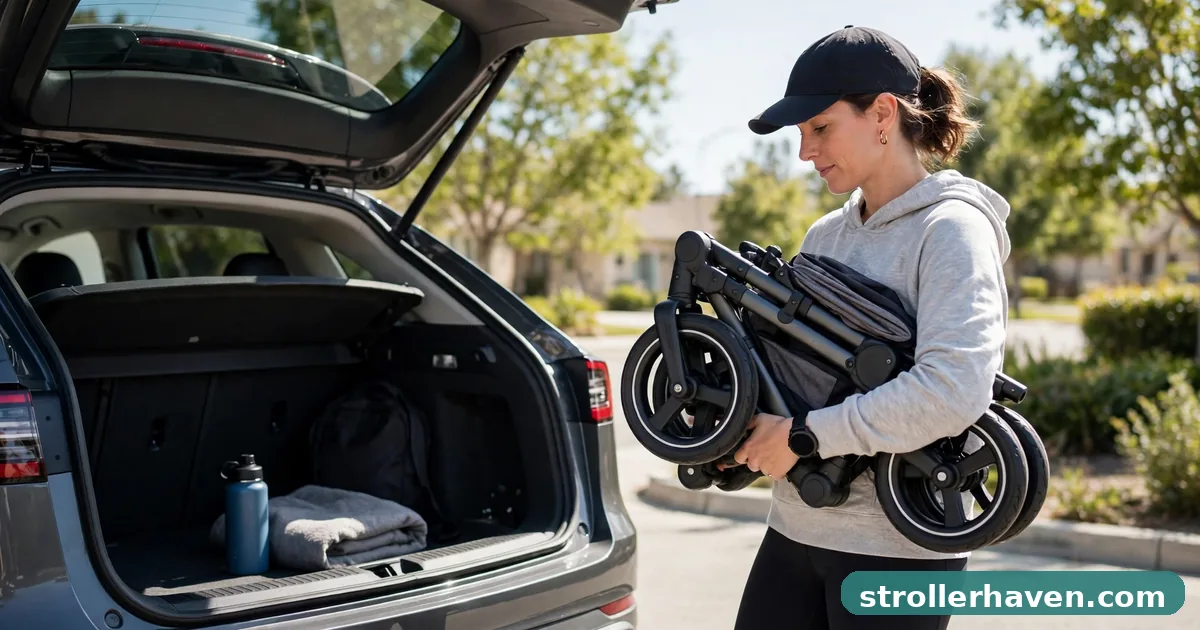
The warning matters more than the praise: multiple reviews and professional testers report tracking issues where this stroller pulls to one side, Stroller360 says, and some units track fine while others fight you constantly — “the jogging stroller lottery.” That makes it better suited to power-walking and errands with occasional jogs than to serious running, and any buyer should test it on a flat, straight path before the return window closes. Do not attach the saved Graco Modes Pramette affiliate link to this pick — it is a different product. For everyday use after the run, our best lightweight double stroller 2026 guide covers the lighter doubles families switch to once jogging days get shorter.
Best Affordable Jogging Stroller for Tall Parents: Schwinn Interval
If you are 6’1″ or taller, the Schwinn Interval’s adjustable foam handlebar is not a luxury, Stroller360 says — it is injury prevention. A fixed handlebar at 41 inches forces a tall runner into a hunch that turns mile three into a shoulder-tension nightmare, and the Interval is the cheapest pick here that solves it, at $170–$240. It also brings wide-tread pneumatic bicycle tyres, polished ball bearings, a genuine suspension system, a large canopy with peek-a-boo window, a multi-position reclining seat with five-point harness, and included parent and child trays.
The cost is size: at 31 lbs and notably bulky when folded, Stroller360 warns it barely fits in compact car trunks and needs SUV-level cargo space, so measure before buying. The lockable front swivel wheel converts easily between stroller and jogger mode, which makes it versatile for daily use beyond running. If two parents of very different heights share the running, this is the pick — and the same adjustable-handlebar logic applies to our best stroller wagon for 2 kids 2026 guide, where push height matters just as much on long park days.
Best Affordable Jogging Stroller for Trails: Delta Children Apollo
The Delta Children Apollo makes its suspension visible — external shock absorbers you can actually see compressing over bumps — and Stroller360 says that is not marketing language about “smooth ride technology.” Paired with puncture-proof 12-inch front and 16-inch rear wheels, a water-resistant UPF 50+ canopy, an adjustable foam handlebar, a swing-away child tray and a parent organiser with two cup holders, it is the trail pick of this budget list at $150–$180.
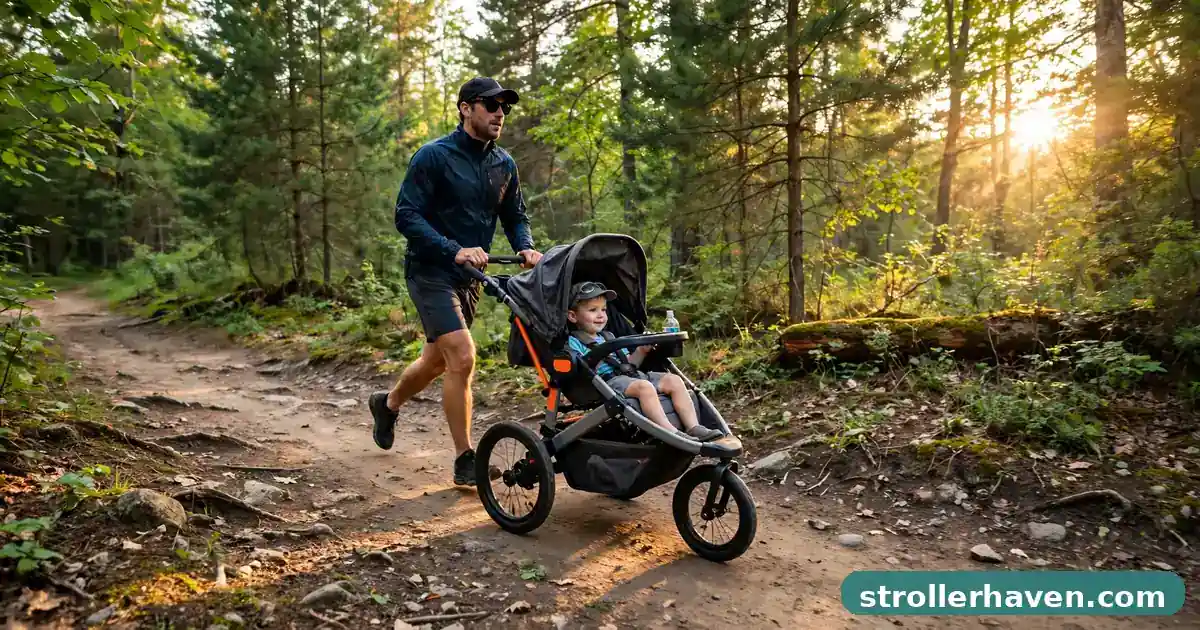
At 33 lbs it is the joint-heaviest single jogger here, and bulkier than lightweight competitors, though it folds flat with quick-release rear wheels. It includes car-seat adapters for Graco SnugRide Click Connect and Evenflo models (Britax and Chicco need separate adapters), has reflective piping for night visibility, and is JPMA certified. Parents who jog on trails rather than just sidewalks appreciate the superior shock absorption, Stroller360 notes — the extra weight matters less once you are in motion, and much more when you are loading it. For theme-park days on rough ground, check our best stroller for Disney World 2026 guide: a trail-capable jogger is welcome at Disney, a wagon is not.
Best Affordable Jogging Stroller for Disney and Travel: Jeep Cross-Country Sport Plus
The Jeep Cross-Country Sport Plus, by Delta Children, brings outdoor-brand credibility to the budget jogging market at $170–$200: 16-inch metal air-spoke rear wheels, a 12-inch front swivel wheel, a durable steel frame, an extendable quilted European canopy with sun visor and peek-a-boo window, a multi-position reclining seat with padded five-point harness, a wide adjustable foam handlebar with safety tether, reflective materials for dawn and dusk runs, a detachable parent organiser and a generous undercarriage basket. Its child limit is 50 lb per the Delta Children manual.
Stroller360 lists three reasons it earns the travel slot: it meets Disney park size requirements, it is compatible with multiple car-seat brands, and its reflective materials help on low-light runs. The same centre-divider basket problem as the Baby Trend Double applies — large diaper bags do not fit — and the metal air-spoke wheels need rust prevention and indoor storage. Keep it stored indoors, Stroller360 warns, or the wheels can rust after one winter on a porch. Read the Disney size rules in our best stroller for Disney World 2026 guide before you pack it, and the overhead-bin rules in our best stroller for airplane overhead bin 2026 guide before you fly with it.
How to Choose the Best Affordable Jogging Stroller 2026
How you will use it decides everything, Babylist and iRunFar agree: a serious runner logging lots of weekly miles needs suspension, tracking and a handbrake; an occasional jogger can prioritise a smaller fold or lighter weight; a walker who runs once a month may not need a jogger at all. Start with mileage and location — paved greenways, dirt trails, or hilly streets — then check storage: joggers are large and bulky, so check folded and unfolded dimensions against your home and car before you buy.
The features to check, in the top 3’s own order, are a locking front wheel, suspension and tyres (air-filled for the smoothest ride, foam-filled for no flats), brakes and wrist tether (always use the tether; a handbrake helps on hills), a five-point harness, canopy and recline, an adjustable handlebar, cargo space and accessories, and weight and fold. Stroller360 adds the budget-specific checks: weight capacity against your timeline (50 lbs ends around age 6–7, 75 lbs lasts to 9–10), fixed versus adjustable handlebars if two parents share it, tyre material over wheel size, and a storage reality check — test your actual diaper bag in the basket, because a centre divider can make a large basket useless.
Why can’t you jog with a regular stroller?
You should not run with a regular stroller because it is not designed to stay stable or absorb impact at jogging speeds. Babylist’s answer is direct: jogging strollers have three large wheels, a more robust suspension system and a longer frame for a smoother, steadier ride over bumps and uneven terrain, plus a locking front wheel that stops wobbling and keeps the stroller tracking straight. Many joggers also add a wrist tether and hand brake for control.
A regular stroller is top-heavy, uses a four-wheel design that wobbles at speed, and lacks the suspension to protect your child from jarring impacts — Stroller360’s FAQ puts it the same way. Running with a standard stroller risks tipping and an uncomfortable ride. The good news, Babylist adds, is that many jogging strollers can double as everyday rides if you have the space for one.
When can you safely jog with your baby?
Most babies are ready to ride in a jogging stroller while you run at around six to eight months old, once they have strong head and neck control and can sit securely in the stroller seat. Babylist and Stroller360 both cite the American Academy of Pediatrics on this, and both add the same caveat: there is no single universal minimum age, so always follow your stroller manufacturer’s guidelines and check with your paediatrician before getting started.
If your jogging stroller accepts an infant car seat, you may be able to use it from birth for walks — but never for running. You can continue using most jogging strollers for several years, until your child reaches the manufacturer’s height or weight limit. That short running window is why Stroller360 warns against buying a jogger at birth planning to “grow into it” and then discovering the usable window is much shorter than expected.
Budget Jogging Strollers vs Premium Models: The Real Differences
Premium jogging strollers like BOB and Thule command $400–$600-plus — in iRunFar’s 2026 testing, $650–$800 for the single premium picks — and Stroller360 says the marketing implies a safety or performance gap that is mostly nonsense. What you are actually paying for is adjustable tracking (fine-tuning wheel alignment so the stroller runs perfectly straight), hand brakes in addition to foot brakes, higher-grade suspension with multiple adjustment settings, and fabrics that resist fading after 1,000 hours of sun.
Those features genuinely matter if you run 15+ miles weekly, tackle steep hills regularly, or plan to use the stroller for multiple children over 8+ years. For 95% of casual jogger parents, Stroller360 says, the budget models in this guide deliver identical safety and adequate performance. The tracking difference is hands-free running on straight paths (premium) versus keeping one hand on the handlebar to maintain direction (budget). The durability gap is real but overstated: budget steel frames can rust and cheaper fabrics fade, but with basic maintenance these budget models run 4–6 years without mechanical failure.
Tips for Running with a Stroller
Start with shorter, slower runs while you get used to pushing the extra weight and running with a different stride — Babylist’s first tip, and the one every source repeats. Find a smooth, flat route, preferably a bike path; slow down and do not expect to match your usual pace; pack all the snacks; run with friends; finish at a park; and when all else fails, sing.
Maintenance is the other half of the tip list: check tyre pressure before every third run (most jogging stroller tyres run 30–35 PSI), tighten bolts quarterly, clean the frame and fabric monthly, and store the stroller indoors — Stroller360 notes that underinflated tyres create the pulling sensation people blame on design flaws, and that metal-spoke wheels on the Jeep and some Baby Trend models rust if left outside.
Frequently Asked Questions About Jogging Strollers
Do I need a jogging stroller? If you are a parent who runs, iRunFar says yes — it lets you share miles with your child without coordinating childcare. But be honest about commitment first: if you will use it rarely, an expensive jogger becomes a dust collector in the garage. If you might jog only occasionally and mostly need an all-terrain stroller for park walks, Stroller360 says, buy an all-terrain stroller, not a jogger.
What’s the difference between a normal stroller and a jogging stroller? Safety first: a five-point harness, wrist strap, handbrake on many models, and a front wheel that locks fixed to prevent wobbling at speed. Then comfort: suspension and larger, air-filled tyres that roll over uneven surfaces where a regular stroller’s small, hard wheels jar the child.
How old must my child be to start riding in a jogging stroller? Many manufacturers recommend only walking for children under six months, and the AAP guidance in the top 3 is 6–8 months with good head control before jogging. Car-seat-compatible models allow walking from birth; running in the car seat is a personal choice to discuss with your paediatrician.
Can I use a cheap jogging stroller every day or will it wear out quickly? Yes for daily use if you maintain it, Stroller360 says — steel frames handle daily abuse well, neglect causes premature failure. Check tyre pressure weekly, tighten bolts monthly, and these strollers easily manage 4–6 years of regular use including daily errands and 2–3 weekly runs.
How do I know if the stroller is tracking straight or pulling to one side? Test it on a flat, straight path like an empty parking lot: run 20–30 feet while barely touching the handlebar. It should hold a straight line; consistent drift left or right is a tracking issue — and on a budget model, test this inside the return window.
Can budget jogging strollers handle trails and rough terrain? Models with good suspension like the Delta Apollo and Schwinn Interval manage packed dirt trails and gravel paths well, Stroller360 says. For technical trails with roots and rocks, a premium jogger’s suspension and adjustable tracking still win.
Conclusion
The best affordable jogging stroller 2026 is the Baby Trend Expedition for most families — the cheapest real jogger at $115–$160 — and the Joovy Zoom360 Ultralight for parents who run seriously enough to need suspension, a 75 lb limit and a frame that lasts to age 9–10. Between them sit the Graco for convenience, the Schwinn for tall parents, the Delta Apollo for trails, the Jeep for Disney travel, and the Baby Trend Double for two kids. None of them is a $650 BOB or Thule, and none of them needs to be: for casual runs, the safety is the same, the ride is close, and the money saved buys the car seat, the rain cover and a year of running shoes.

Sanat Barua is the founder of Stroller Haven. He researches stroller models, manufacturer specifications, and safety standards to help parents compare options and make confident, informed decisions.
His research draws on official manufacturer documentation and product manuals, publicly available owner feedback, and safety guidance from sources such as the U.S. Consumer Product Safety Commission (CPSC) and the American Academy of Pediatrics (AAP). Stroller Haven is a research-based website: products are not described as physically tested unless an article states that testing took place. Stroller Haven is updated regularly as new models and safety information become available.